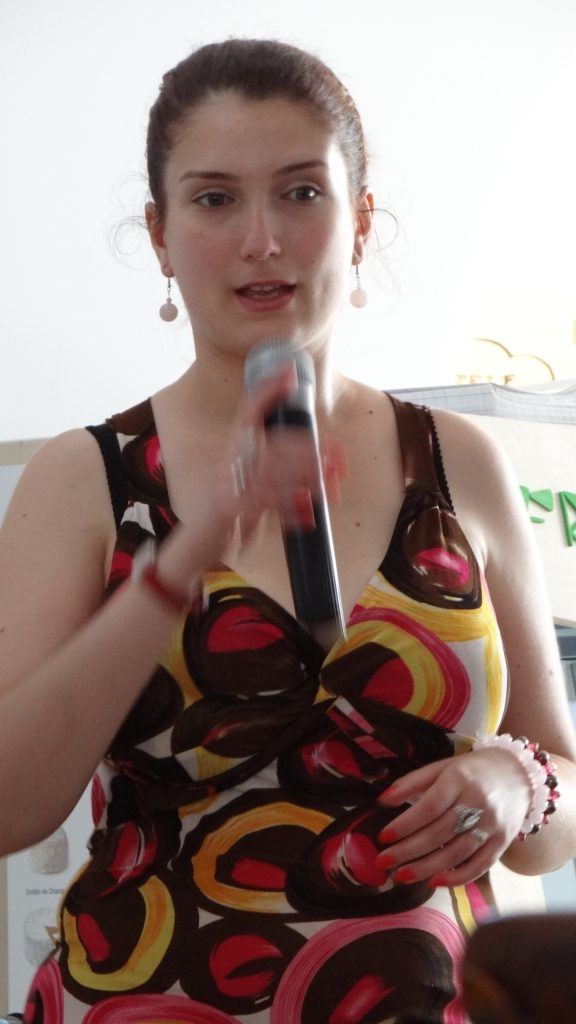


How do you turn a public speaking event into something people actually want to attend? As part of PSSG, I worked across event planning, promotion, speaker coordination and audience engagement, helping turn an initial event concept into a live experience designed around both the speakers and the people in the room. This case study looks at how we approached the event, the decisions behind it, what happened on the day, and what I learned from seeing the entire experience from both the organizer and audience perspective.
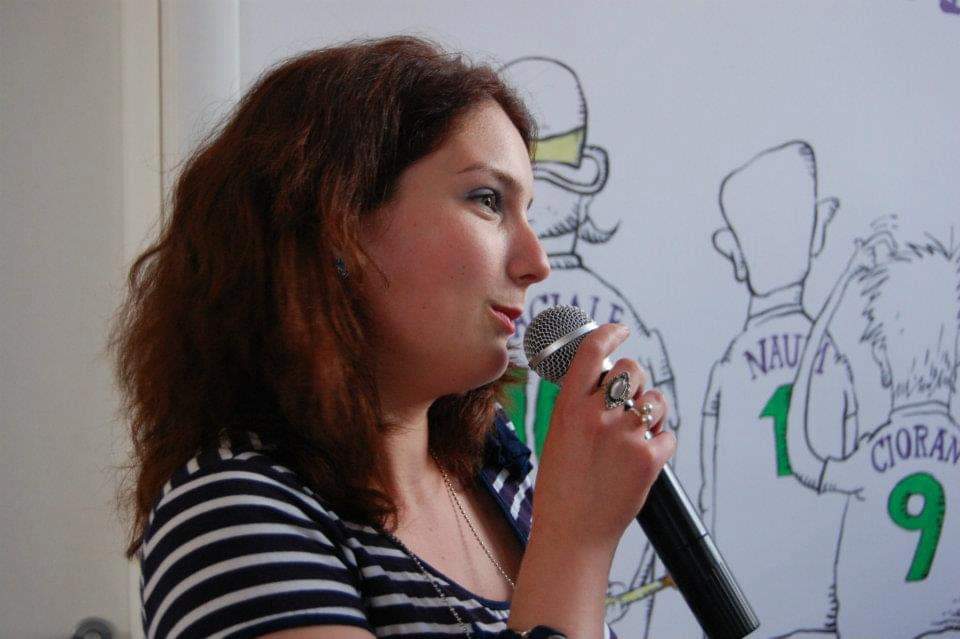
From 2011 to 2013, I was actively involved in a series of PSSG public-speaking events designed to give people a space to practise, develop, and share their communication skills. My involvement evolved across the series rather than being limited to a single role: depending on the event, I contributed as a moderator, speaker, trainer, feedback provider, and promoter, helping both with the audience-facing experience and with getting people into the room in the first place.
Alongside my roles during the events themselves, I was also involved in promoting the PSSG series and attracting participants. I shared and promoted upcoming events across relevant Facebook groups, adapting the message to different communities rather than relying on a single announcement. It was an early, very hands-on lesson in audience building: understanding where the right people already were, giving them a compelling reason to attend, and turning online communication into real-world participation.
The series also gave me the opportunity to experience events from several different perspectives. At various editions, I stepped in as a moderator, speaker, trainer, and feedback provider — sometimes facilitating the experience for others and sometimes being the person in front of the audience. Moving between those roles taught me how much a successful event depends on more than what happens on stage: clear communication, preparation, audience engagement, adaptability, and creating an environment where people genuinely want to participate.
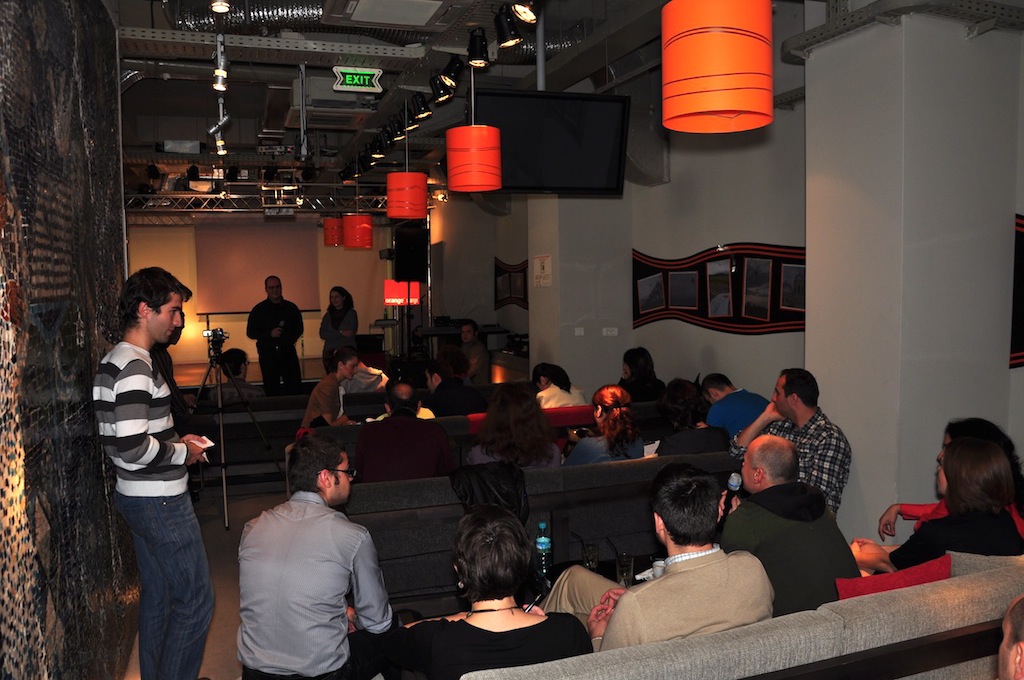
What kept me involved for several years was the interaction with the people in the room. Public-speaking events only work when participants feel comfortable enough to contribute, experiment, make mistakes, and try again. Whether I was moderating, training, speaking, or giving feedback, part of my role was helping create that environment — keeping people engaged, encouraging participation, and making the experience valuable rather than simply running through an agenda.
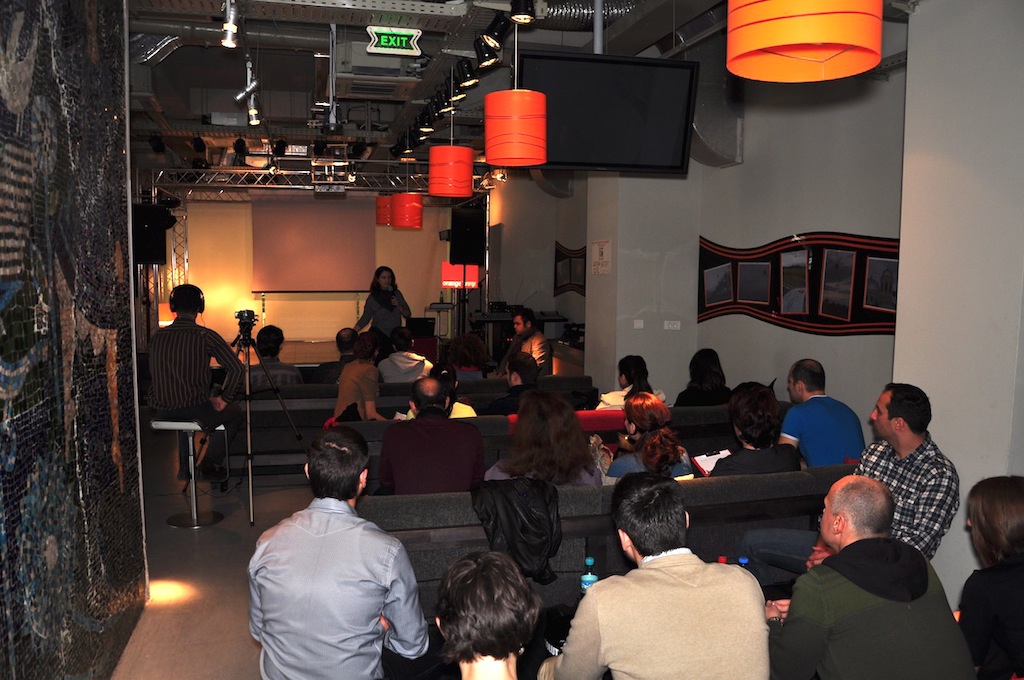
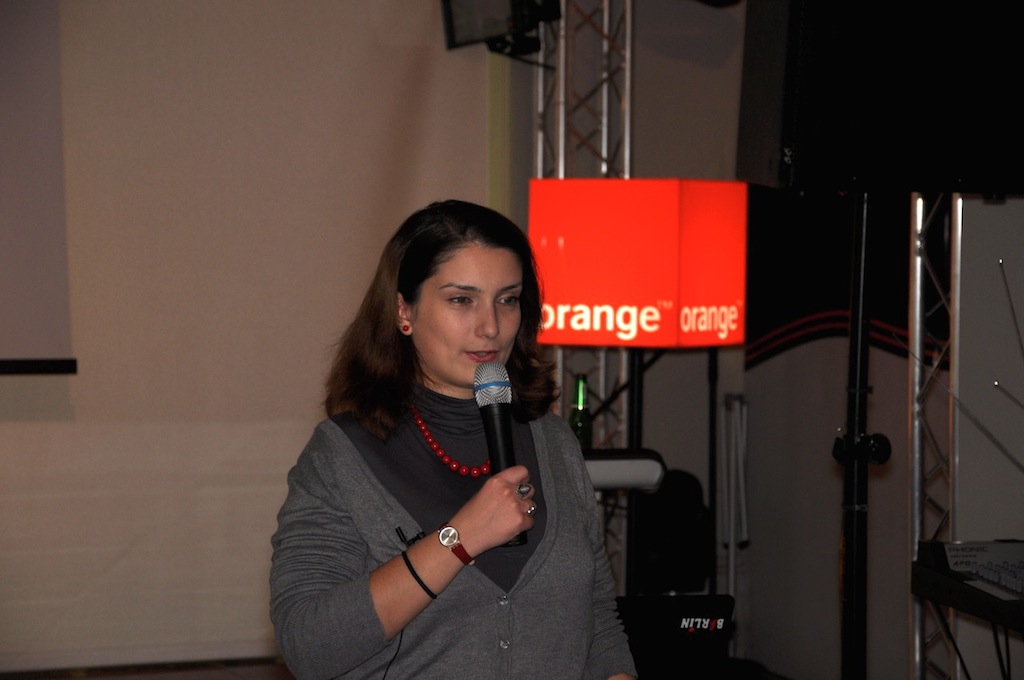
PSSG was free to attend, which meant keeping costs low was part of making the series sustainable. The events moved between different venues, including Orange Café in Piața Victoriei and another café in Piața Romană, with arrangements that avoided traditional venue-rental costs. In the latter, for example, participants simply bought something to drink. It was a practical lesson in how resourcefulness, relationships, and mutually beneficial partnerships can make good events possible without a large budget.
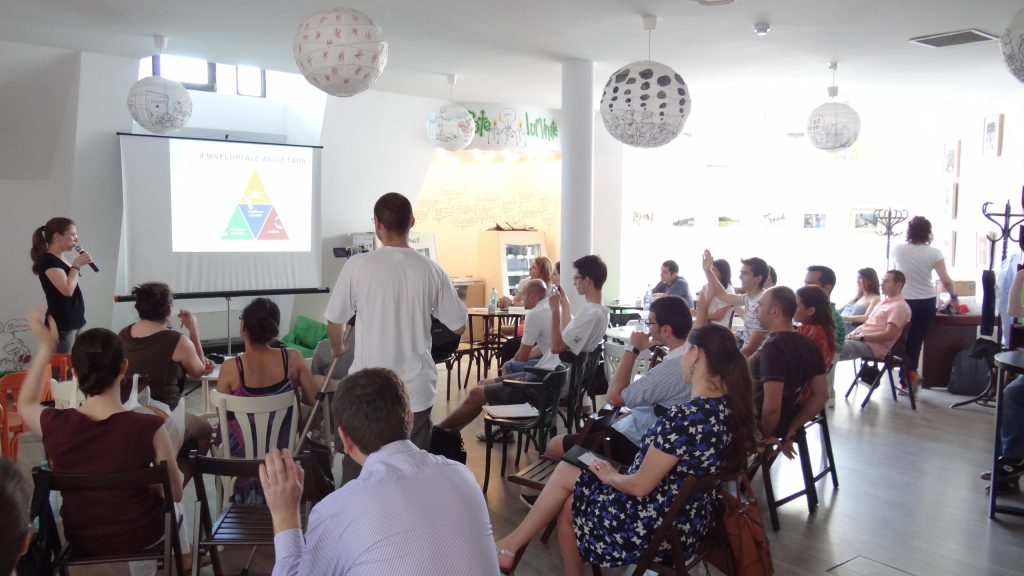
Looking back, PSSG gave me an early, hands-on view of events from almost every angle: promotion, audience building, facilitation, content delivery, partnerships, and the participant experience. The tools and channels have changed considerably since 2011–2013, but the fundamentals haven’t: understand who you want to bring into the room, give them a reason to come, create an experience worth participating in, and make smart use of the resources and relationships available. Those are principles I still bring to marketing, events, and customer-focused projects today.